Platforms, shells, browsers, phones, and living rooms.
Windows, Internet Explorer, Windows Media Center, and Windows Phone taught me how product, developer ecosystems, and organizational systems actually interact.
PS C:\Users\Tig> whoami
I build products, teams, and the occasional ridiculous machine.
Useful work happens where customer obsession, technical taste, and operational discipline collide.
I helped build Windows, Internet Explorer, Windows Media Center, Windows Phone, Echo, Alexa, Alexa Smart Home, and the product and engineering systems that helped turn Control4 into Snap One. Now I teach leaders and teams how to build better operating systems, hire stronger people, make sharper product decisions, and catch up on AI without theater.

Origin story
My sister gave me the nickname when I was a baby. After 30 years using Charlie at Microsoft, Amazon, Control4, SnapAV, and a few startups, I reclaimed Tigger because it fits. I am bouncy, distractible in useful ways, and happiest when I can take a system apart, understand it, and make the damn thing work better.
Related claim: I am gruntled. Gruntled means pleased, satisfied, contented: a bar you can clear most days, without the performance anxiety. P.G. Wodehouse coined it as a joke; I use it on purpose. That applies to products, teams, and a 1995 BMW 540i M-Sport with electrical problems. Same brain, different wiring harness.
The arc
The experiment is simple: can explicit mechanisms, customer obsession, product judgment, and high-standards leadership make teams predictably better?
Snot-nosed kid, Windows SDK, dorm-room printer pain. The pattern started early: find a rough edge, build the tool.
Developer support, developer relations, platform work, browsers, home server, media center, phone, and products used by absurd numbers of people.
I left to build my own companies, including FreeBusy, and learned what it feels like when nobody else owns the outcome.
Echo, Alexa, and Alexa Smart Home were real delivery at scale and a concentrated education in mechanisms, narratives, tenets, hiring, and operating cadence.
I joined Control4 as CTO/CPO, realized it was a turnaround, and used the 4,500-product company to test whether the systems I had learned really worked when I had the authority to install them. They did. The product and engineering reset helped enable the Control4/SnapAV merger and the path to the Snap One IPO. I left when the team did not need me in the middle anymore.
I thought coaching might help me break into space and find another C-level operating role. Instead, the coaching itself became the work. More than half my time is pro bono, because that is where the joy is.
When people thank me for helping, I usually say: this is how I give back. I was blessed with ridiculous learning from mentors and managers. I do not really do nonprofits or standard charity stuff. I give back by helping useful people and teams get unstuck. KLD is opportunistically a business that creates cash flow around work I would do anyway.
Receipts
Windows, Internet Explorer, Windows Media Center, and Windows Phone taught me how product, developer ecosystems, and organizational systems actually interact.
Echo, Alexa, and Alexa Smart Home taught me how to scale with narratives, mechanisms, customer obsession, and a healthy intolerance for hand-waving.
As CTO/CPO, I reset product and engineering systems at a 4,500-product company, then helped enable the Control4/SnapAV merger and Snap One IPO path. People still there tell me many of those systems remain in place.
I teach flexible curriculum for teams that need practical tools, not motivational fog. More than half the time is pro bono because this is how I give back; the work is concrete: decisions, mechanisms, hiring loops, product judgment, and AI adoption.
I am using agents to build real tools in public. WinPrint 3.0 and MCEC 3.0 were built completely agentically; Terminal.Gui v2 is where the .NET TUI obsession lives.
The lab bench
Cars, code, music, and other evidence that the nickname was not randomly assigned.
 Porsche Pages
In 1997 I created this website to show out-of-state friends and family what my “new” 911 was like. Since …
 Code & Products
I still write code for fun, and lately a lot of that fun has been building real products with agents. Here are some of …
 Holy Grail Labs
Holy Grail Labs builds engineered upgrades for classic cars.
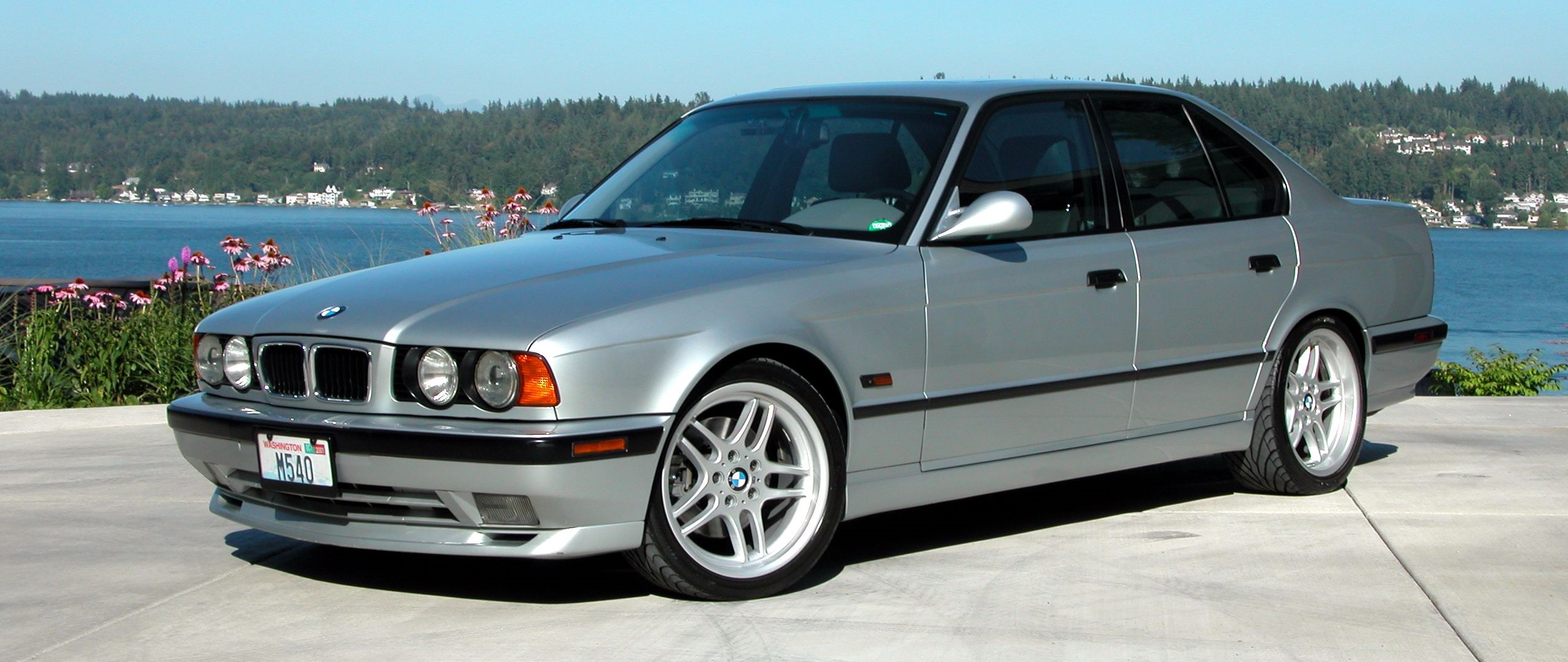 Tigger's BMW Pages
I’m obsessed with classic BMWs. Not as much a fan of modern BMWs. I created the definitive 1995 BMW 540i M-Sport …
 Tig
TigAn all-electronic, one-man wrecking crew. In it just for fun.
 Toyota
My 1978 Toyota FJ40 Land Cruiser aka 'Uglina'
 Datsun
Coming soon: Tigger's adventure restoring a Datsun SRL311 Roadster.
PS C:\Users\Tig> echo $env:MOOD
gruntled
PS C:\Users\Tig> open-office-hours